
In medicine, biology, and other scientific fields, laboratory testing is critical to obtaining accurate results. During these tests, many different tools and methods are
used to collect and analyze samples. Among them, sponge swabs are a very common and important tool that play a key role in many different types of experiments.
Mandelab will introduce the definition, characteristics, usage and application fields of sponge swabs in detail in this article.
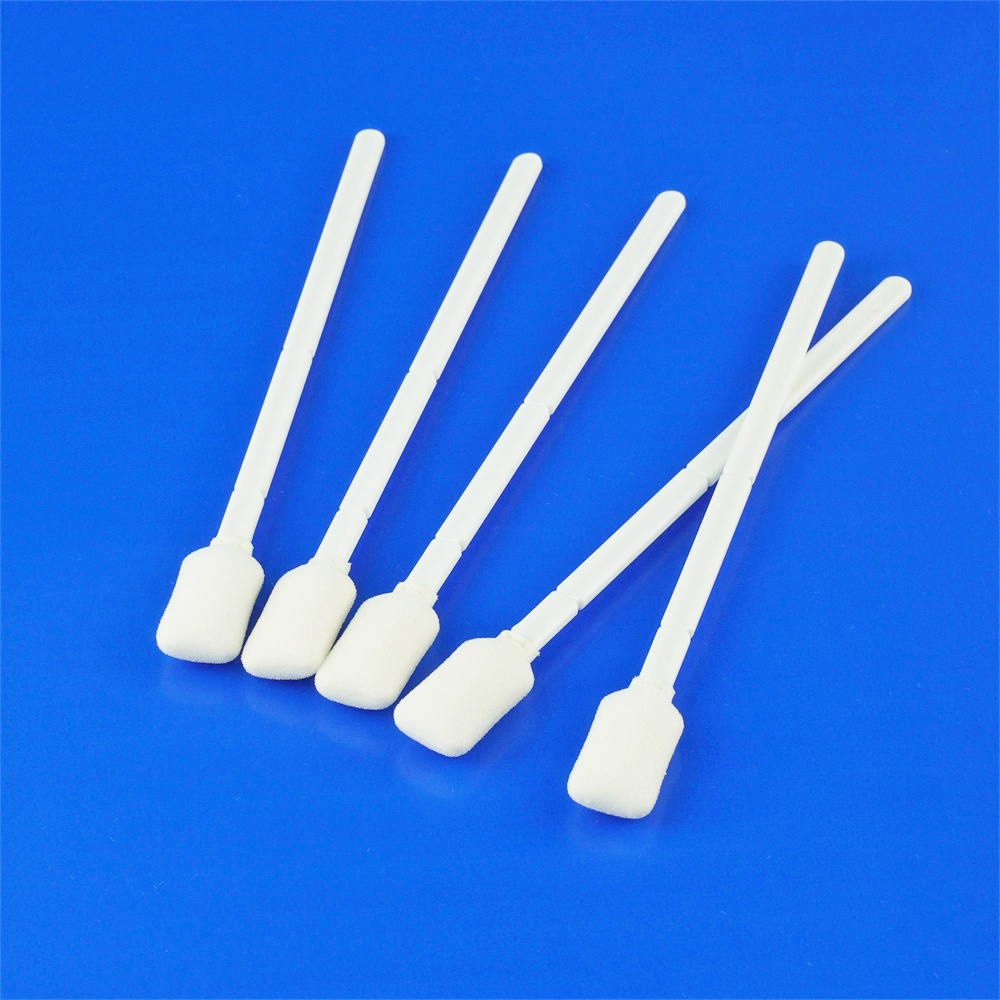
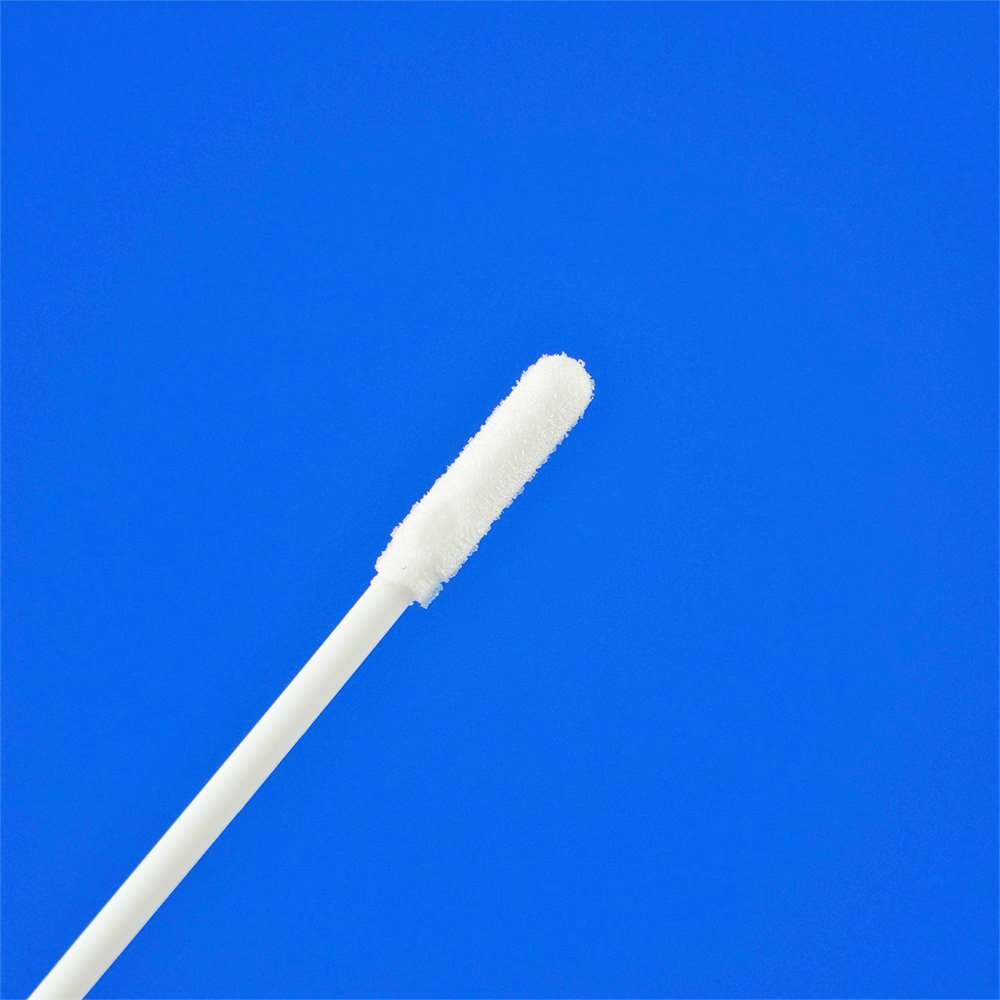
1. Definition of sponge swab
A sponge swab, also known as a cotton swab or cotton ball swab, is a laboratory tool used to collect biological samples. It is usually made of cotton or other soft,
absorbent material and has a bulbous or tapered head to facilitate insertion into tight spaces. Sponge swabs usually have a plastic or metal rod at the end that is
used to hold the swab and manipulate it.
2. Characteristics of sponge swabs
1). Easy to use: The design of the sponge swab makes it easy to insert into various narrow spaces, such as throat, nasal cavity, ears, etc. Additionally, the spherical
or tapered design of its head helps easily penetrate the skin surface, making it easier to collect samples.
2). Strong water absorption: The water absorption properties of sponge swabs enable it to effectively collect liquid samples from various surfaces, such as blood,
saliva, urine, etc. This makes sponge swabs ideal for laboratory testing.
3). Wide range of applications: Sponge swabs can be used to collect various types of biological samples, such as cells, bacteria, viruses, etc. This makes it useful in
many different experiments.
4). Low cost: Compared to other laboratory tools, sponge swabs are less expensive to produce, making them an economical choice for laboratory testing.
3. How to use sponge swabs
1). Clean your hands: Before collecting samples, be sure to clean your hands to prevent contamination of the samples.
2). Choose the appropriate swab: According to the experimental needs, select the appropriate sponge swab. For example, for the collection of cell samples, you
can choose a swab with a smaller head and a softer texture; for the collection of bacterial or viral samples, you can choose a swab with a larger head and a
harder texture.
3). Insert the swab: Insert the head of the swab into the area where the sample needs to be collected, and then gently rotate the swab so that the head of the
swab fully contacts the skin surface.
4). Collect the sample: Gently squeeze the swab to release the sample into the prepared test tube or container.
5). Disposal of swabs: After use, place the swabs in a dedicated waste container to prevent cross-contamination.
4. Application fields of sponge swabs
Sponge swabs are widely used in medicine, biology and other scientific fields. Here are some common application scenarios:
1). Clinical diagnosis: In clinical diagnosis, sponge swabs are often used to collect samples of nasopharyngeal secretions, oral mucosal cells and other samples
from patients for pathogen detection and pathological analysis.
2). Microbiological research: In microbiological research, sponge swabs are often used to collect microbial colonies from various environmental samples (such
as soil, water, food, etc.) for isolation, culture, and identification.
3). Genetic testing: In genetic testing, sponge swabs are often used to collect biological samples such as blood and saliva to extract DNA or RNA for sequencing
and analysis.