
With the improvement of people's living standards, more and more families choose to keep pets, and pets have become important partners in our lives. However, pet health issues are also a growing concern. In order to ensure the health of pets, timely diagnosis and prevention of diseases, pet sampling swabs came into being. Mandelab will introduce you to the relevant knowledge of pet sampling swabs in detail.
1. What is a pet sampling swab?
The pet sampling swab is a sampling tool specially designed for pets. It is mainly used to collect biological samples such as blood, urine, and saliva from pets. Through these samples, veterinarians can conduct a comprehensive examination of the pet to ensure the health of the pet.
2. Types of pet sampling swabs
According to the different samples collected, pet sampling swabs can be divided into the following types:
1) Blood sampling swab: Mainly used to collect venous blood from pets for routine blood and biochemical examinations.
2) Urine sampling swab: mainly used to collect pet urine for routine urine and urine biochemical tests.
3)Saliva sampling swab: Mainly used to collect pet saliva for examination of oral diseases.
4)Fecal sampling swabs: Mainly used to collect pet feces for examination of intestinal parasites and digestive system diseases.
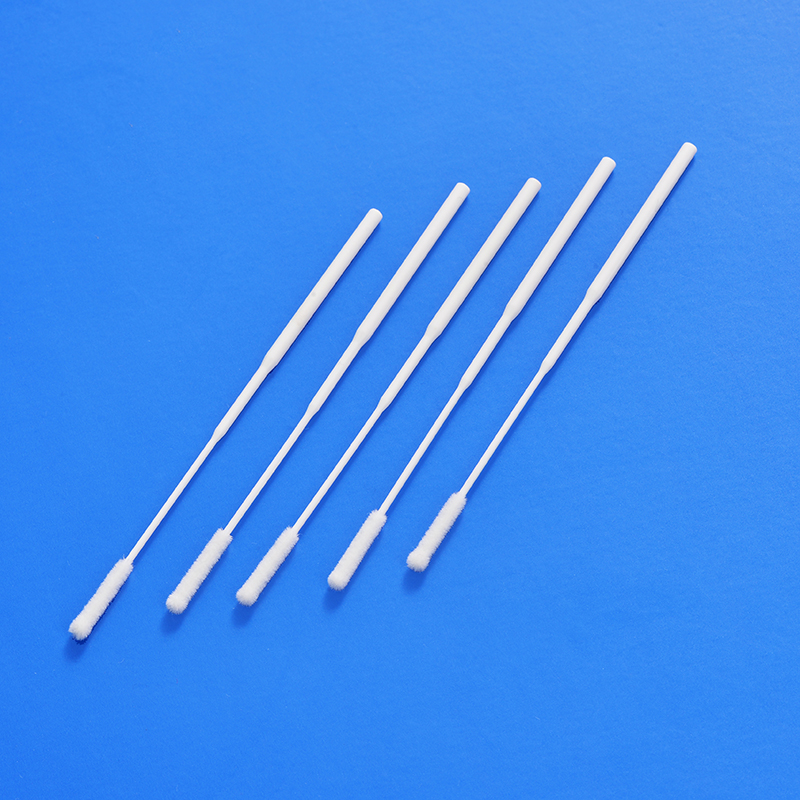
3. Advantages of pet sampling swabs
1) Easy to operate: The pet sampling swab adopts a humanized design and is easy to operate. Even inexperienced pet owners can easily complete the sampling.
2)High safety: Pet sampling swabs are made of non-toxic and sterile materials to ensure the safety of the sampling process.
3)High accuracy: Pet sampling swabs can effectively avoid contamination, ensure the accuracy of samples, and provide reliable diagnostic basis for veterinarians.
4) High comfort: The pet sampling swab is made of soft material, which will not cause discomfort to pets and keeps pets comfortable during the sampling process.
4. How to use pet sampling swabs correctly?
1)Choose the appropriate sampling swab: Select the appropriate sampling swab according to the type of sample that needs to be collected.
2)Clean the pet’s body: Before using the sampling swab, clean the pet’s body with warm water to reduce the possibility of contamination.
3) Collect samples: Gently insert the sampling swab into the pet’s skin or mouth and collect samples according to the correct method.
4)Preserve samples: Put the collected samples into special containers and send them to the veterinarian for examination as soon as possible.