
Pet sampling swabs are a pet health management tool that has become increasingly popular in recent years. By using pet sampling swabs, pet doctors or owners can quickly and easily detect pet diseases and detect potential health problems in a timely manner.
First, we need to understand what a pet sampling swab is. The pet sampling swab is a tool made of soft flocked head stick or sponge material, used to collect secretions, hair or skin cells from the pet's body surface. These samples can be used to test your pet's health, such as checking skin conditions, detecting parasitic infections, detecting allergens, and more.
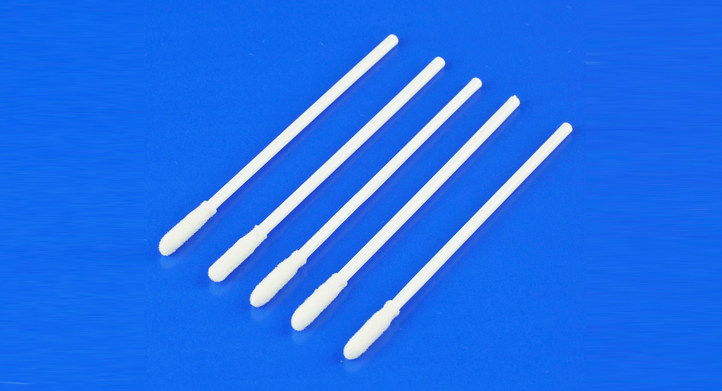
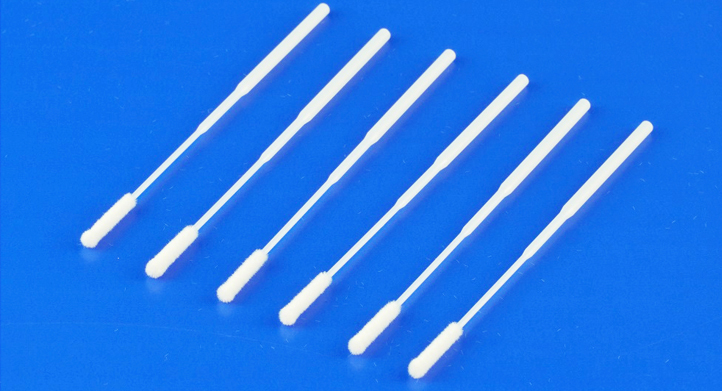
Secondly, the pet sampling swab is very easy to use. Just dab the swab over your pet's body surface to collect an adequate sample. The swab is then placed into a special test tube or mailing bag and sent to a designated laboratory for analysis. Most pet sampling swabs come with detailed instructions to guide users on correct operation and ensure sample accuracy.
Now, more pet hospitals will use nucleic acid, namely PCR, to detect the type of pathogen. It’s exactly the same as our COVID-19 test. By sampling the dog’s oropharyngeal secretions, the nucleic acid report will tell us which viruses and bacteria the patient is currently infected with.
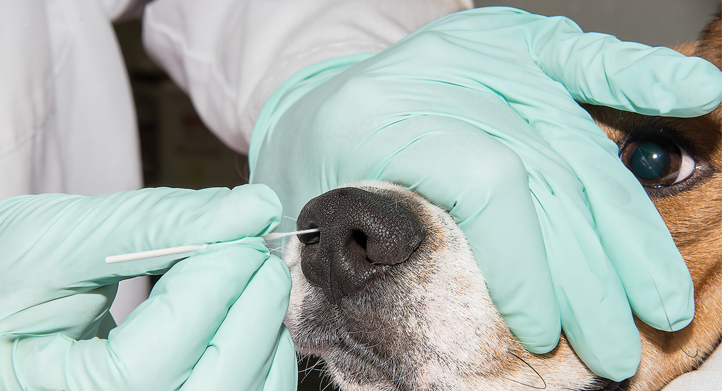
The application range of pet sampling swabs is very wide. For example, for pets with skin problems, veterinarians can use swabs to collect dander or secretion samples to help the veterinarian diagnose and develop appropriate treatment plans. For pets prone to allergies, swabs can be used to collect substances that may trigger allergic reactions so owners can try to avoid these allergens at home.
However, pet sampling swabs also have some limitations. Since swabs can only collect surface samples, for some internal diseases or problems, other forms of testing are needed. Therefore, when using pet sampling swabs, owners still need to work closely with their pet doctors to ensure the overall health of their pets.